
Applications
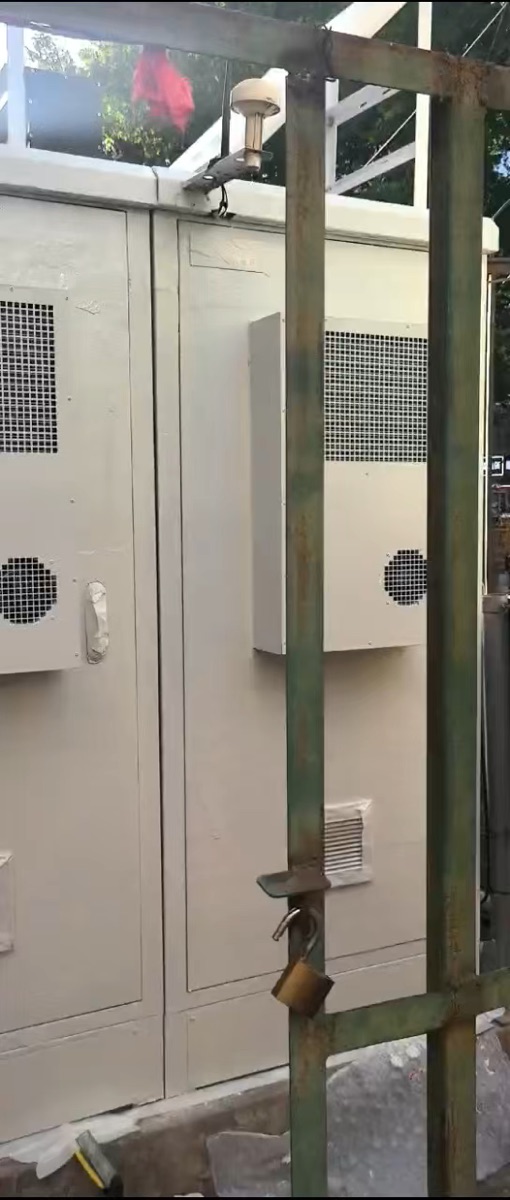
Roofs and Outdoor Cabinets
Waterproof protection around seams, edges, penetrations and weather-exposed enclosures.
Send project requirements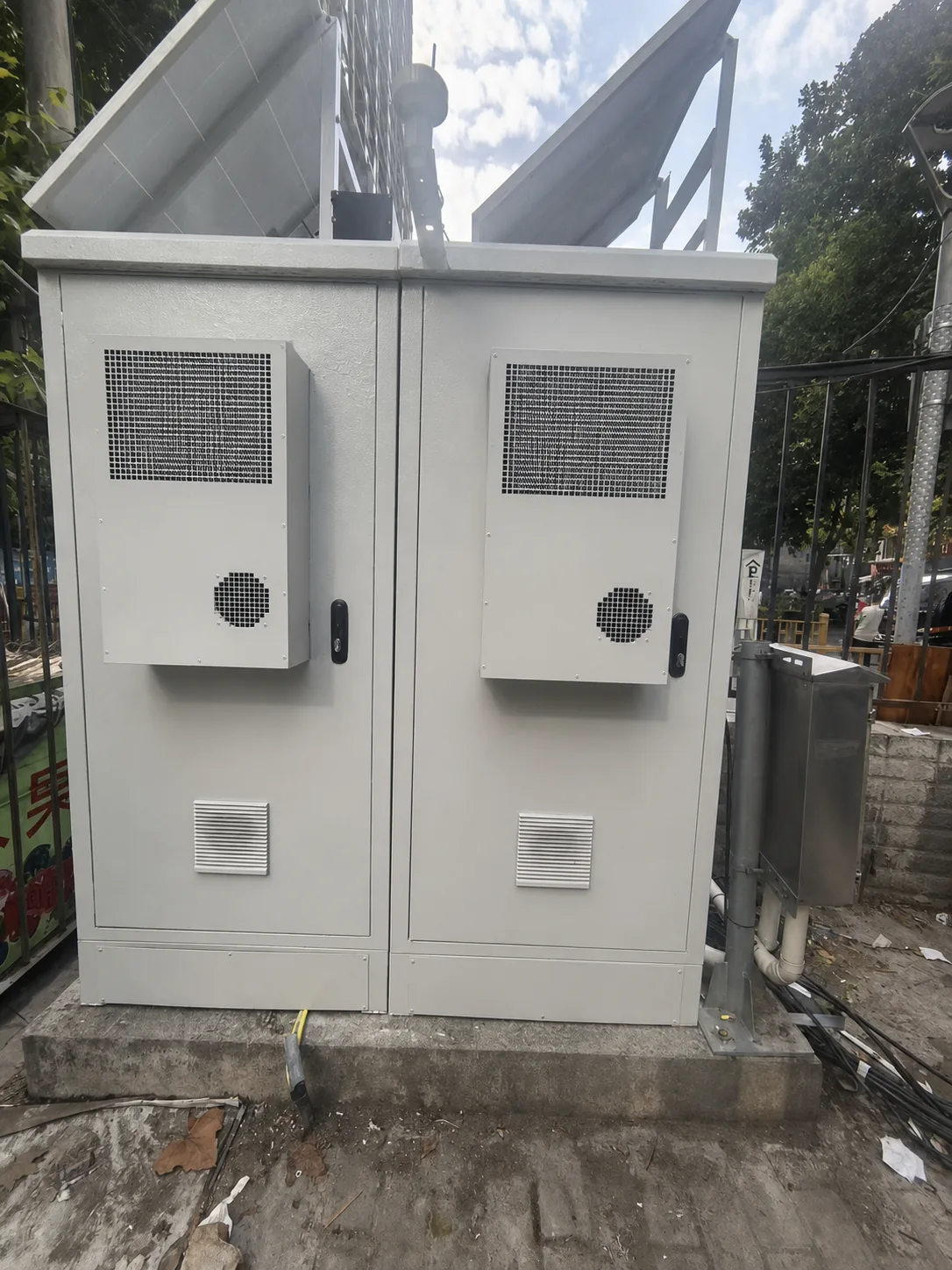
What the project needs to control
Water enters through details before large surfaces fail; thermal cycling and repairs add movement and discontinuity.
Recommended protection path
Use spray application for larger continuous areas and brushable material where access, masking or repair scope is limited.
Assets and exposure conditions
- Roof upstands, seams and drainage details
- Outdoor communication and electrical cabinets
- Cable entries, fasteners and service penetrations
- Previously repaired edges and weathered substrates
How the risk develops
Water enters through details before large surfaces fail; thermal cycling and repairs add movement and discontinuity.
Water normally enters through discontinuities before the broad surface fails. Thermal movement, standing water and repeated maintenance can reopen seams or damage rigid repair materials.
Recommended system architecture
Use spray application for larger continuous areas and brushable material where access, masking or repair scope is limited.
Trace the actual water path and correct drainage before coating.
Inspect sealants, fasteners, rust and previous repairs.
Reinforce seams, corners and penetrations before forming the continuous layer.
Keep doors, vents, labels, earthing points and service access functional.
Configuration guide
| Project condition | Recommended path | Why it fits |
|---|---|---|
| Large roof zones and cabinet panels | Spray polyurea | Provides a continuous membrane with limited joints. |
| Seams, edges and local repair | Brushable polyurea | Controls material placement around services and masked details. |
| Operating doors, vents and access points | Detailed termination design | Maintains equipment function while closing water-entry paths. |
Delivery workflow
- 1
Survey substrate and exposure
- 2
Confirm repairs and surface preparation
- 3
Approve primer and application method
- 4
Apply coating and detail interfaces
- 5
Inspect, record and release the area
Inspection and project evidence
- Drainage and water-path review
- Seam, fastener and penetration preparation
- Coverage at corners, edges and terminations
- Door, vent and maintenance-access function after application
Questions before specification
Should drainage problems be coated over?
No. Ponding and defective drainage should be corrected first; the coating protects the detail but does not replace drainage design.
Can cabinets remain in service during work?
It depends on masking, electrical safety, ventilation and access. The shutdown and work sequence must be agreed for the asset.
Data needed for a project review
Share substrate, drainage, seam design, penetrations, access restrictions and expected weather exposure.
Applications
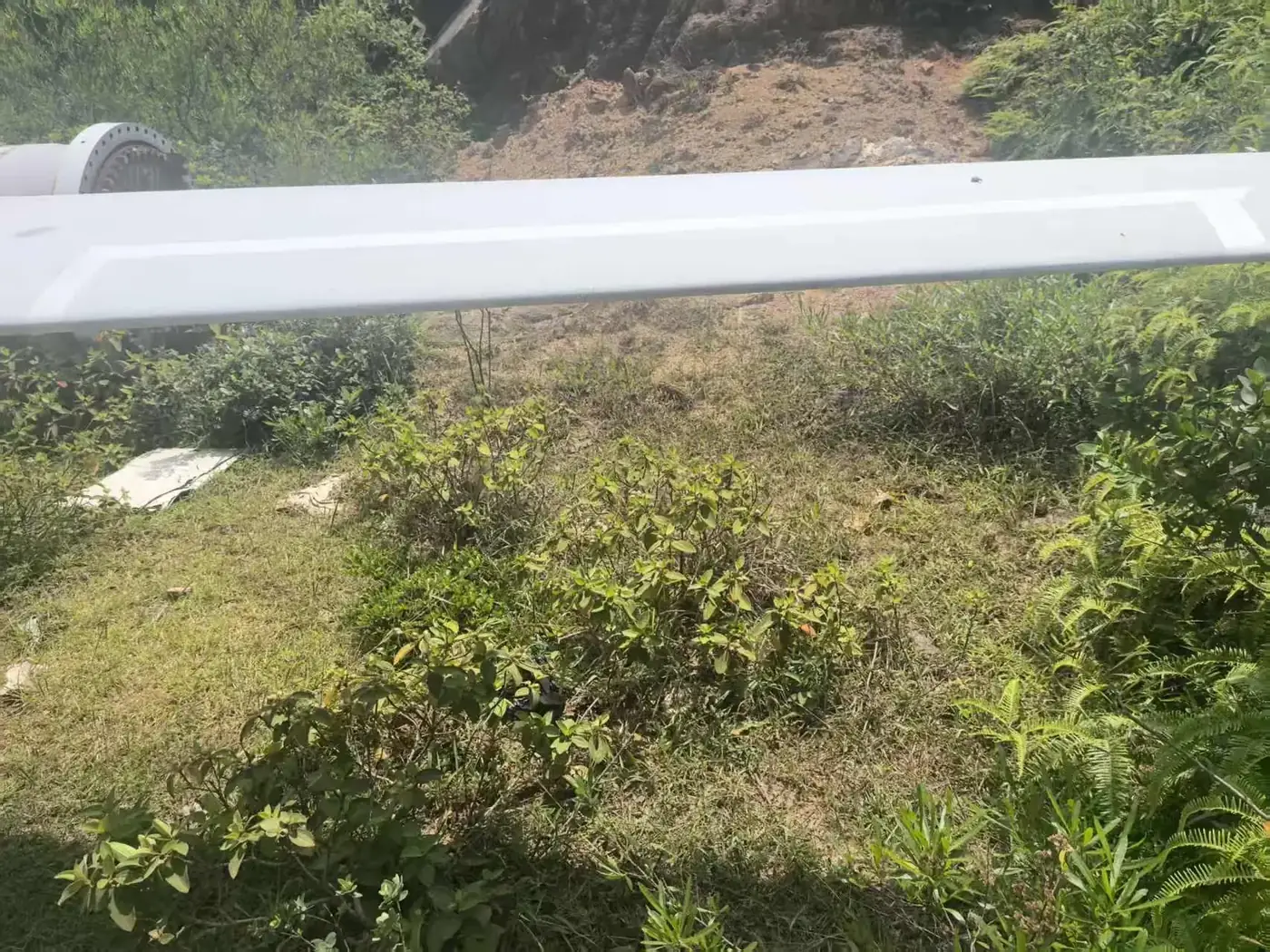
See the application from system to detail
Review the overall scene, equipment arrangement and key construction details before defining a project-specific system.
Watch the application response
Select a video to review the application sequence, equipment response and details relevant to an engineering discussion.
Related products
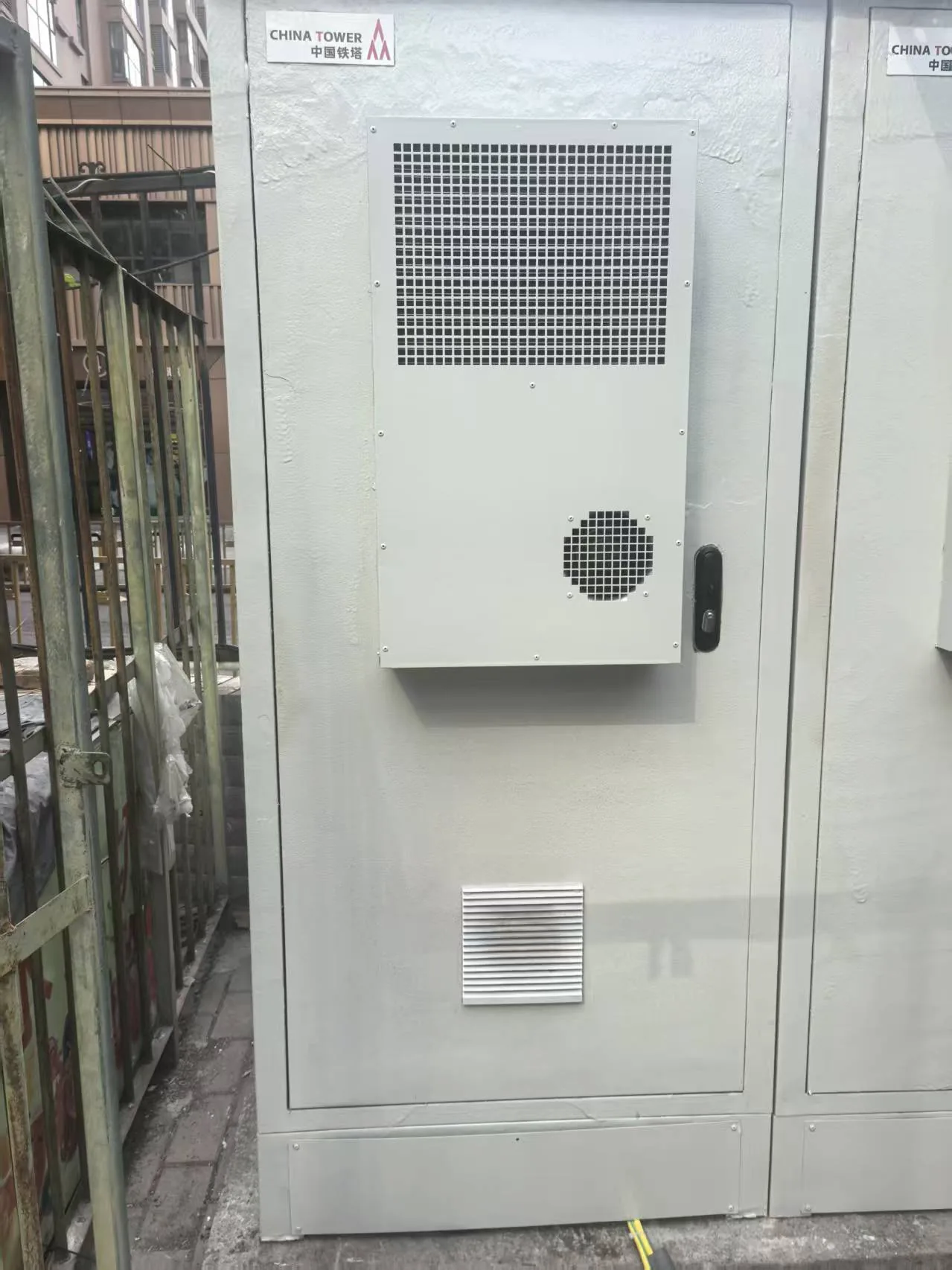
Spray Polyurea
Fast-setting, high-solids elastomeric coating for large surfaces and complex details.
Brushable Polyurea
Detail-oriented coating option for repair zones and sites where spray equipment is impractical.
Information needed for a focused recommendation
Substrate, existing coating, exposure, chemicals, operating temperature, access, target thickness and application schedule.