
Applications
Pipelines and Marine Steelwork
Continuous waterproof and corrosion protection for exposed pipework, steel transitions and difficult details.
Send project requirements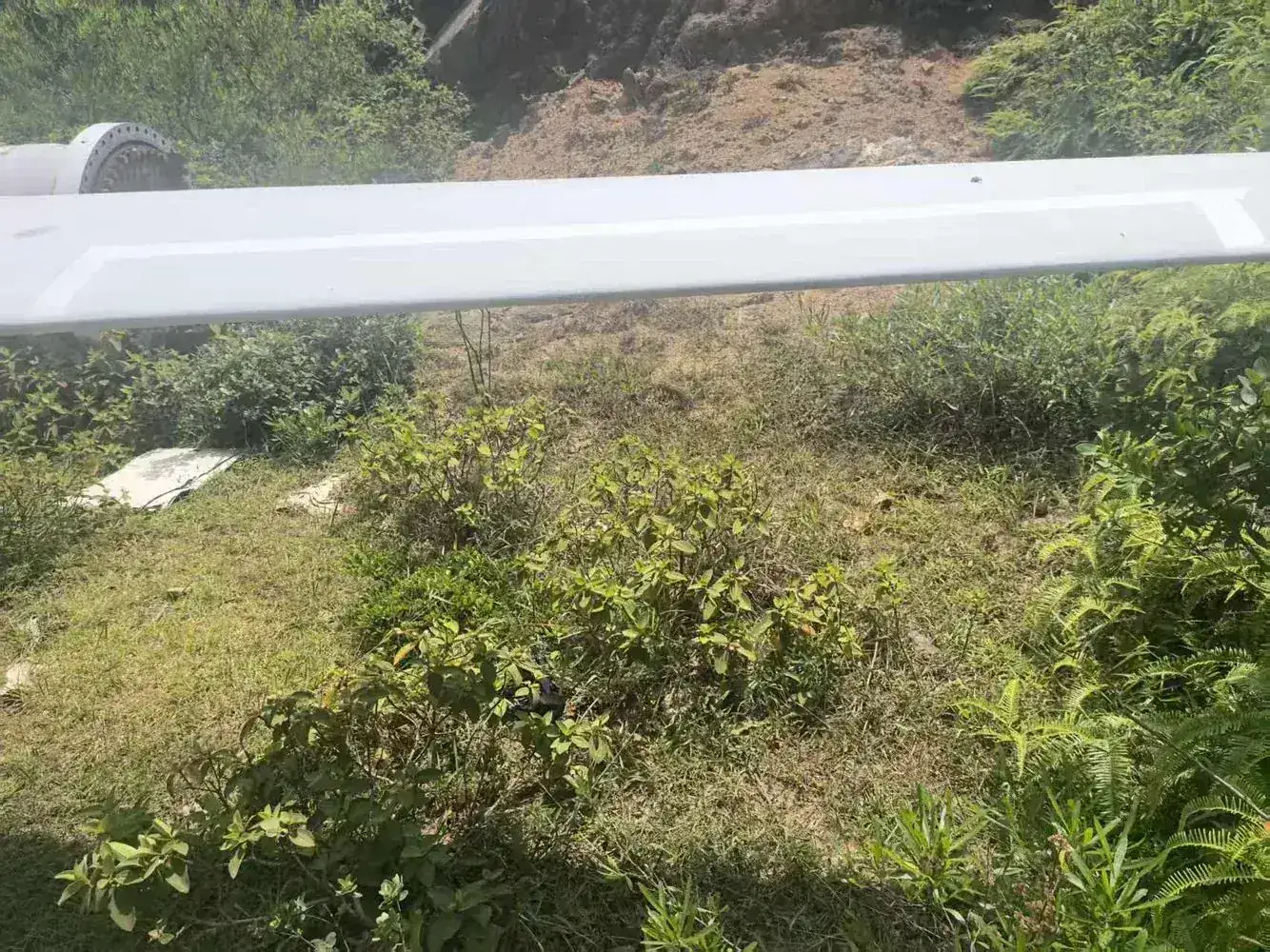
What the project needs to control
Salt, standing water, UV exposure, joints and maintenance access can accelerate corrosion at weak points.
Recommended protection path
Match surface preparation, primer, spray or brush application and optional topcoat to the exposure category.
Assets and exposure conditions
- Pipe runs, elbows and welded joints
- Flanges, supports and steel transitions
- Splash zones and intermittent standing water
- Maintenance corridors with restricted access
How the risk develops
Salt, standing water, UV exposure, joints and maintenance access can accelerate corrosion at weak points.
Deposited salts and wet-dry cycling concentrate corrosion at welds, crevices and damaged coating edges. A generic coating schedule can leave discontinuities around supports and future maintenance points.
Recommended system architecture
Match surface preparation, primer, spray or brush application and optional topcoat to the exposure category.
Measure contamination and define the required steel profile before coating.
Use a compatible primer selected for the prepared substrate and exposure.
Apply spray polyurea over broad accessible surfaces and brushable material at restricted details.
Add a compatible UV-resistant finish where color retention or prolonged sunlight exposure requires it.
Configuration guide
| Project condition | Recommended path | Why it fits |
|---|---|---|
| Broad pipe runs and large steel areas | Spray polyurea | Builds a fast, continuous protective membrane over prepared surfaces. |
| Flanges, supports and repair details | Brushable polyurea | Allows controlled application where masking and access limit spray equipment. |
| High UV or appearance requirement | Polyurea plus compatible topcoat | Adds weathering and color-retention support to the protective build. |
Delivery workflow
- 1
Survey substrate and exposure
- 2
Confirm repairs and surface preparation
- 3
Approve primer and application method
- 4
Apply coating and detail interfaces
- 5
Inspect, record and release the area
Inspection and project evidence
- Surface cleanliness, profile and soluble-salt record
- Primer coverage and recoat-window record
- Coating continuity and thickness checks
- Detail inspection at welds, edges, supports and repairs
Questions before specification
Can the system be applied over an existing coating?
Only after adhesion, compatibility and the condition of the existing coating are reviewed. Unsound material must be removed or repaired.
Is one coating thickness suitable for every pipeline?
No. Exposure, geometry, service temperature, impact risk and inspection requirements determine the final build.
Data needed for a project review
Confirm substrate condition, contamination, geometry, target thickness and future inspection access before specifying the system.
Applications
See the application from system to detail
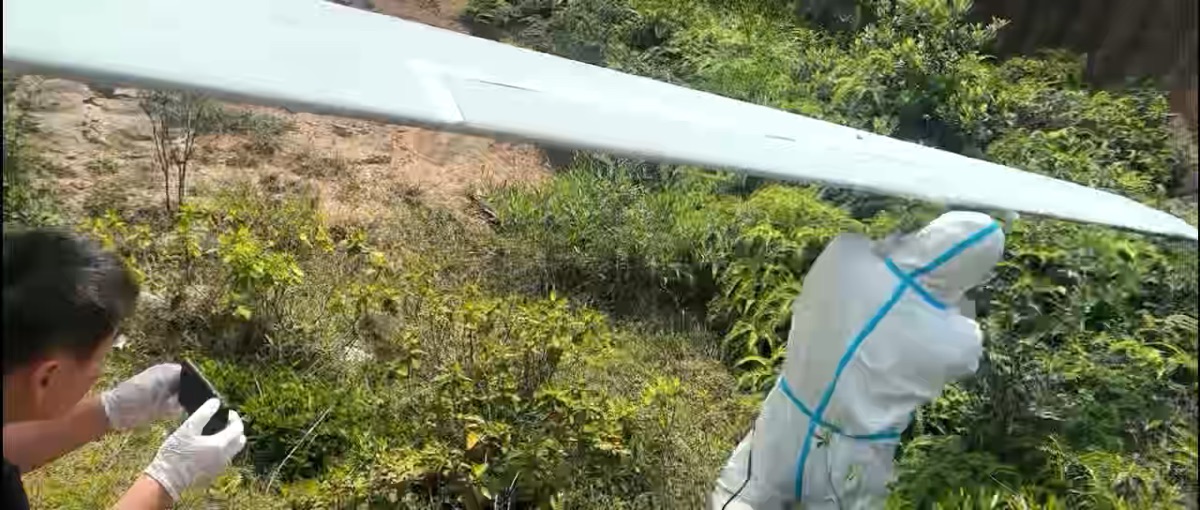
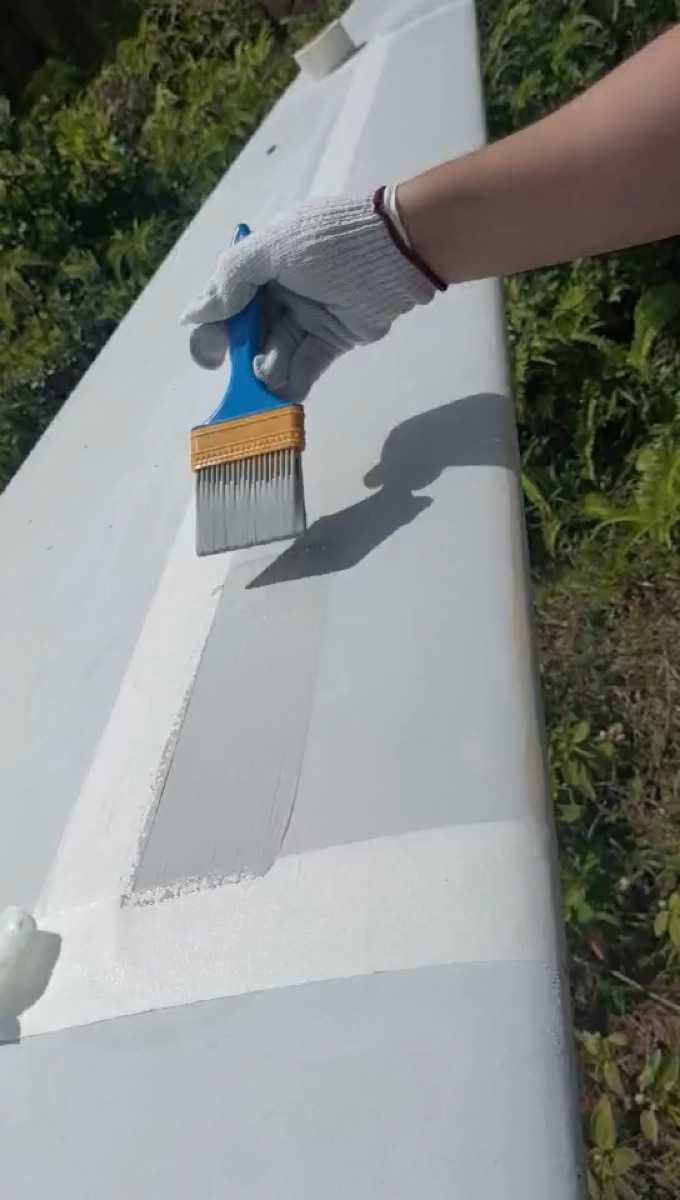
Review the overall scene, equipment arrangement and key construction details before defining a project-specific system.
Watch the application response
Select a video to review the application sequence, equipment response and details relevant to an engineering discussion.
Related products
Spray Polyurea
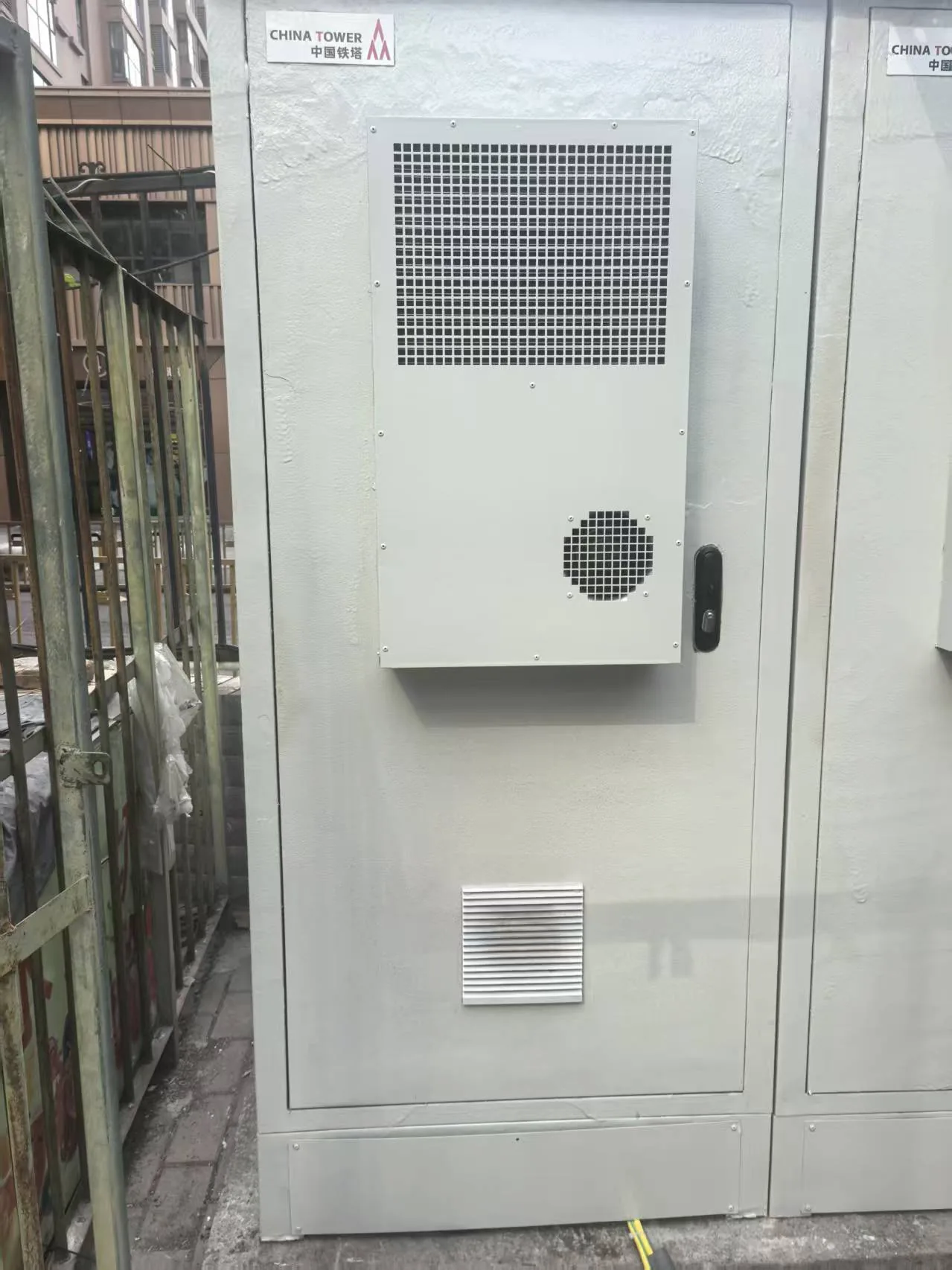
Fast-setting, high-solids elastomeric coating for large surfaces and complex details.
Brushable Polyurea
Detail-oriented coating option for repair zones and sites where spray equipment is impractical.
Information needed for a focused recommendation
Substrate, existing coating, exposure, chemicals, operating temperature, access, target thickness and application schedule.