
Applications
Battery Packs and Cabinets
Short delivery paths for early warning and localized intervention close to the affected module.
Send project requirements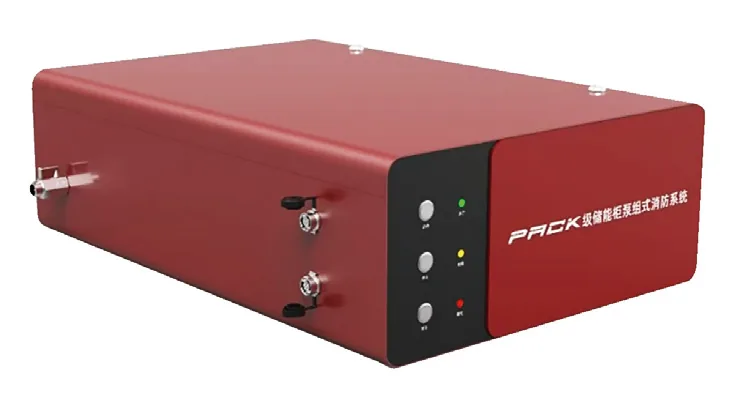
What the project needs to control
Compact geometry, electrical isolation, vent paths and neighboring cells influence detection and agent delivery.
Recommended protection path
Combine project-selected detection with compact PACK or cabinet intervention and clear alarm feedback.
Assets and exposure conditions
- Cell modules and battery PACKs
- Battery cabinets and local electrical enclosures
- Vent paths, cable entries and service clearances
- Local alarm, feedback and shutdown connections
How the risk develops
Compact geometry, electrical isolation, vent paths and neighboring cells influence detection and agent delivery.
Compact geometry can delay signal movement and restrict agent distribution. Neighboring cells, electrical isolation and pressure release influence whether a local event remains contained.
Recommended system architecture
Combine project-selected detection with compact PACK or cabinet intervention and clear alarm feedback.
Position project-selected sensors around likely release and heat paths.
Keep suppression delivery paths short and protected from service damage.
Coordinate cabinet intervention with electrical isolation and alarm feedback.
Retain access for replacement, inspection and functional testing.
Configuration guide
| Project condition | Recommended path | Why it fits |
|---|---|---|
| Small enclosed compartment | Micro aerosol or compact device | Fits limited spaces when compatibility and protected volume are confirmed. |
| PACK-level heat or gas event | Localized liquid-agent intervention | Supports targeted cooling and suppression close to the source. |
| Multiple cabinets or common room | Local devices plus zone system | Combines fast local action with coordinated higher-level response. |
Delivery workflow
- 1
Map hazards and protection zones
- 2
Confirm detection and response logic
- 3
Select local and zone-level equipment
- 4
Integrate alarms, shutdown and ventilation
- 5
Commission, record and hand over the system
Inspection and project evidence
- Protected volume and obstruction review
- Detector and discharge path verification
- Electrical isolation and alarm feedback test
- Maintenance access and replacement procedure
Questions before specification
How is a device sized for a cabinet?
Sizing depends on free volume, obstructions, leakage, chemistry, temperature and the selected agent or device.
Can the system connect to the cabinet controller?
Potential-free contacts or project-defined interfaces can be considered after the signal and control requirements are confirmed.
Data needed for a project review
Provide cell and module geometry, free volume, venting, voltage, enclosure rating, interfaces and service access.
Applications
See the application from system to detail
Review the overall scene, equipment arrangement and key construction details before defining a project-specific system.
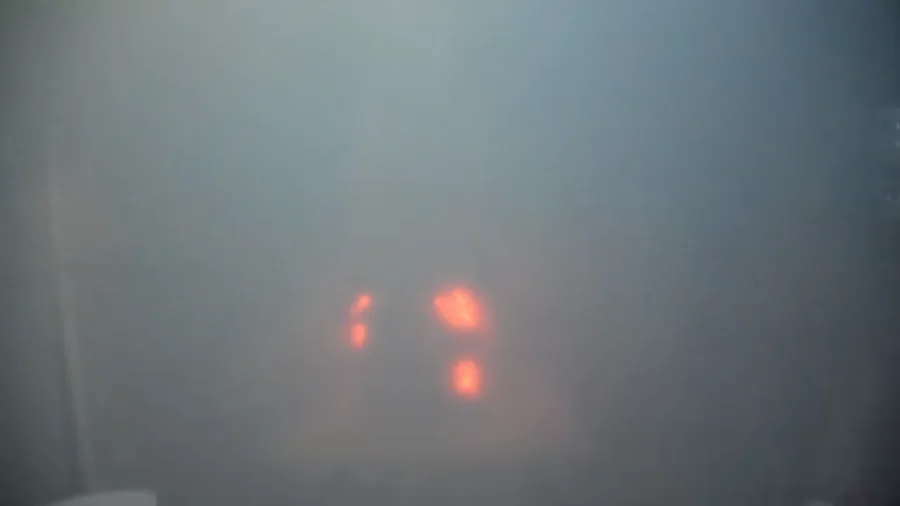
Watch the application response
Select a video to review the application sequence, equipment response and details relevant to an engineering discussion.
Related products
PACK-Level Fire Suppression Device
Localized device intended to intervene close to the battery pack risk source.
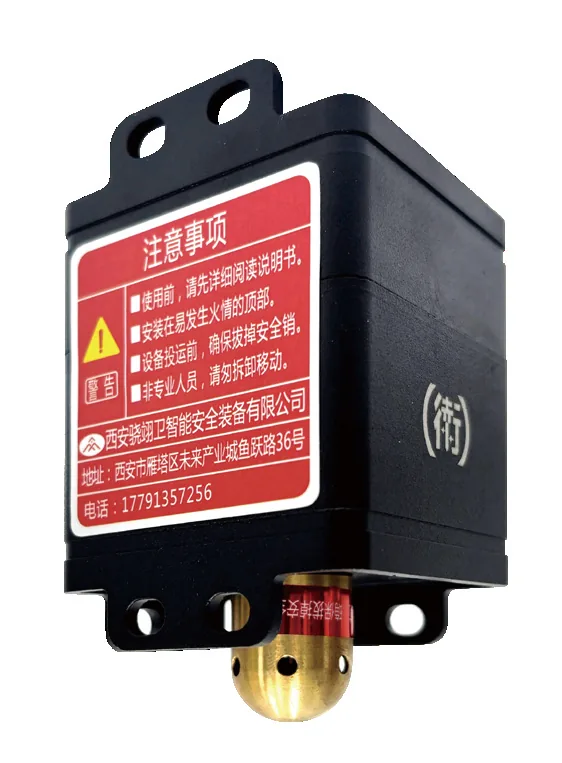
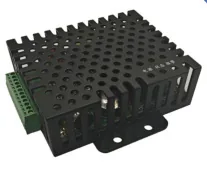
Temperature-Activated Starting Device
Thermal response component for autonomous or linked fire protection activation.
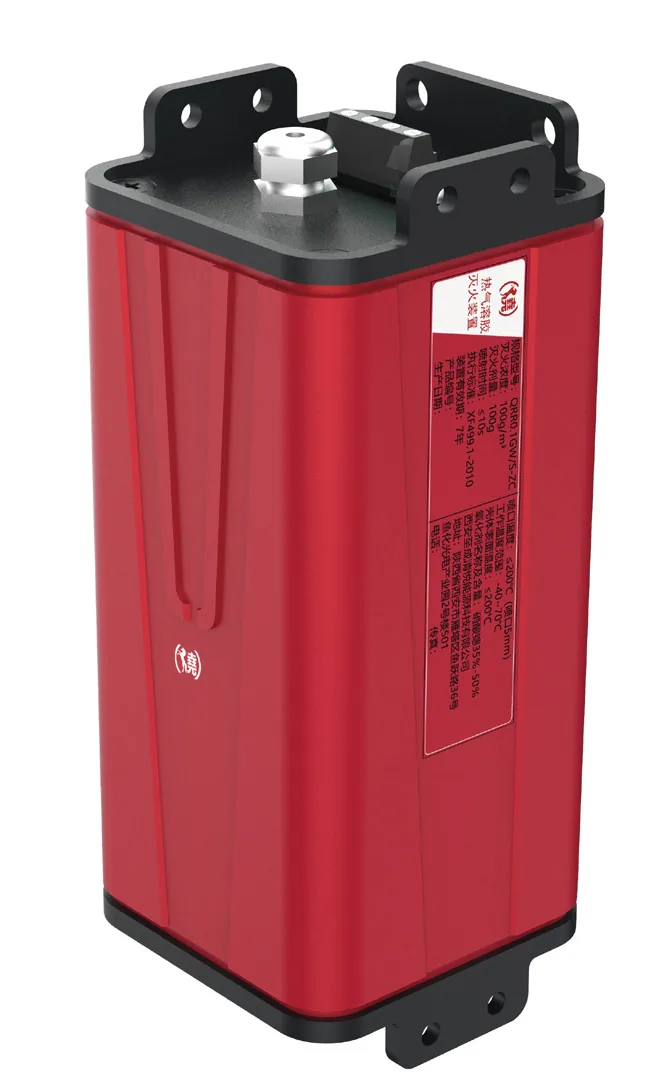
Micro Aerosol Fire Suppression Device
Compact aerosol suppression option for small enclosed equipment spaces.
Early Warning Detection System
Multi-signal detection concept for earlier identification and coordinated response.
Information needed for a focused recommendation
Cell chemistry, capacity, enclosure and PACK layout, ventilation, detection philosophy, interfaces, ambient range and local code.