
Outdoor Communication Cabinet Waterproofing and Corrosion Protection
A real field reference showing how a continuous external polyurea layer was built around weather-exposed cabinet surfaces and details.
Send project requirements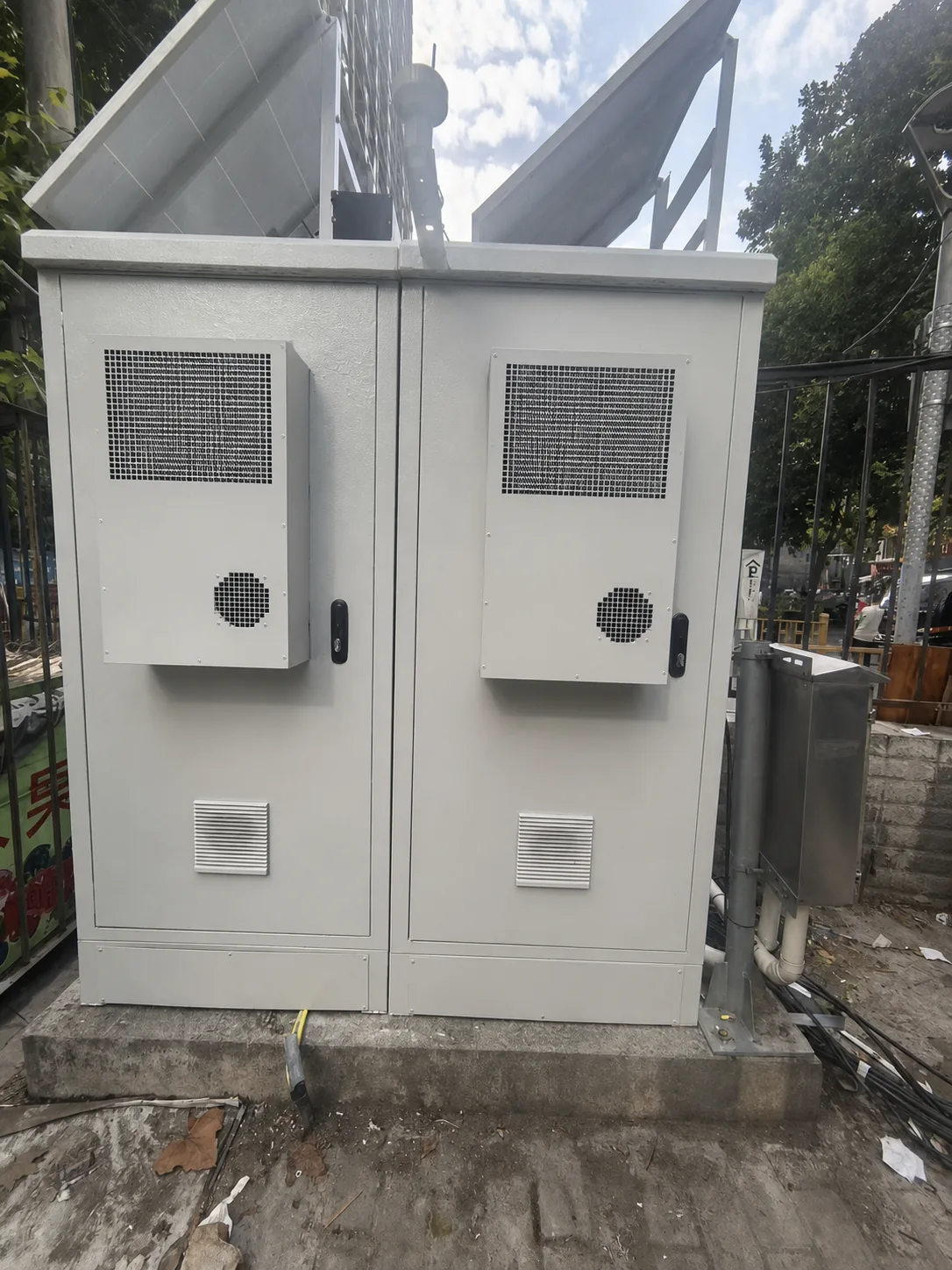
Project snapshot
- Sector
- Telecommunications infrastructure
- Protected asset
- Outdoor communication equipment cabinets
- Taihe scope
- Substrate inspection, detail treatment, continuous coating and final visual inspection
- Evidence basis
- Site photographs, commissioning records and engineering drawings
Starting condition
Outdoor cabinets were exposed to rain, thermal cycling and corrosion at seams, edges, fasteners and service penetrations.
Site constraints
Doors, vents, cable entries, labels and earthing points had to remain functional. Existing surface condition and previous repairs created different preparation needs across the cabinet.
Engineering decision
The team used broad-area coating to establish continuity, then controlled material around seams, roof edges, door interfaces and penetrations so that access and ventilation were retained.
Execution process
- 01
Inspect coating condition, rust, seals, fasteners and drainage paths.
- 02
Clean and prepare sound surfaces; repair unstable edges and corrosion points.
- 03
Mask doors, vents, labels, connectors and service interfaces.
- 04
Apply the protective layer and detail seams, corners and penetrations.
- 05
Remove masking, inspect continuity and correct incomplete edges.
Inspection and commissioning
- Visual record of substrate and completed coverage
- Detail check at seams, corners and cable entries
- Door, vent and service-access function confirmed after work
- Local repair points recorded for future inspection
Documented outcome
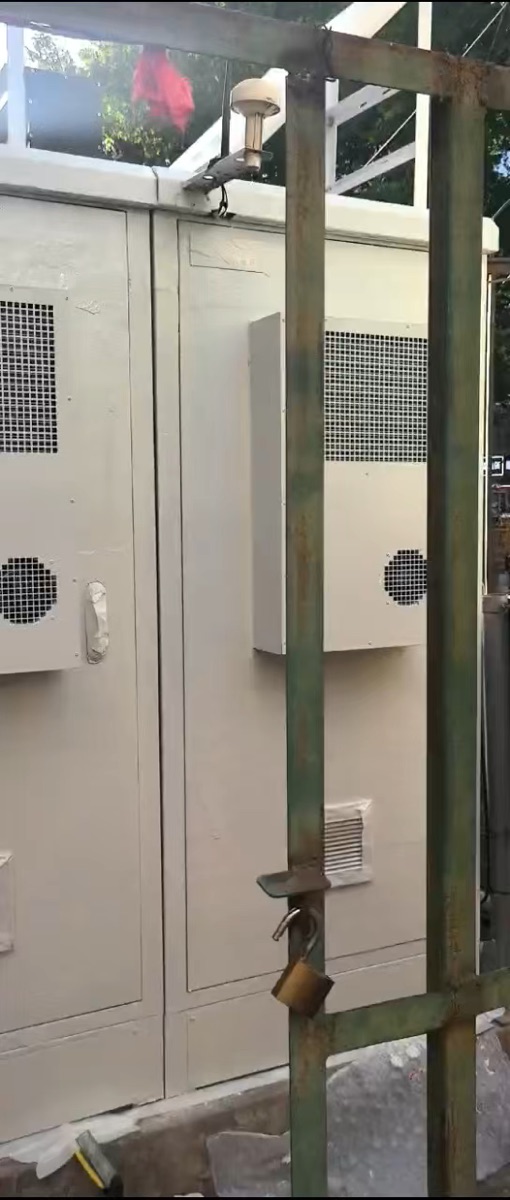
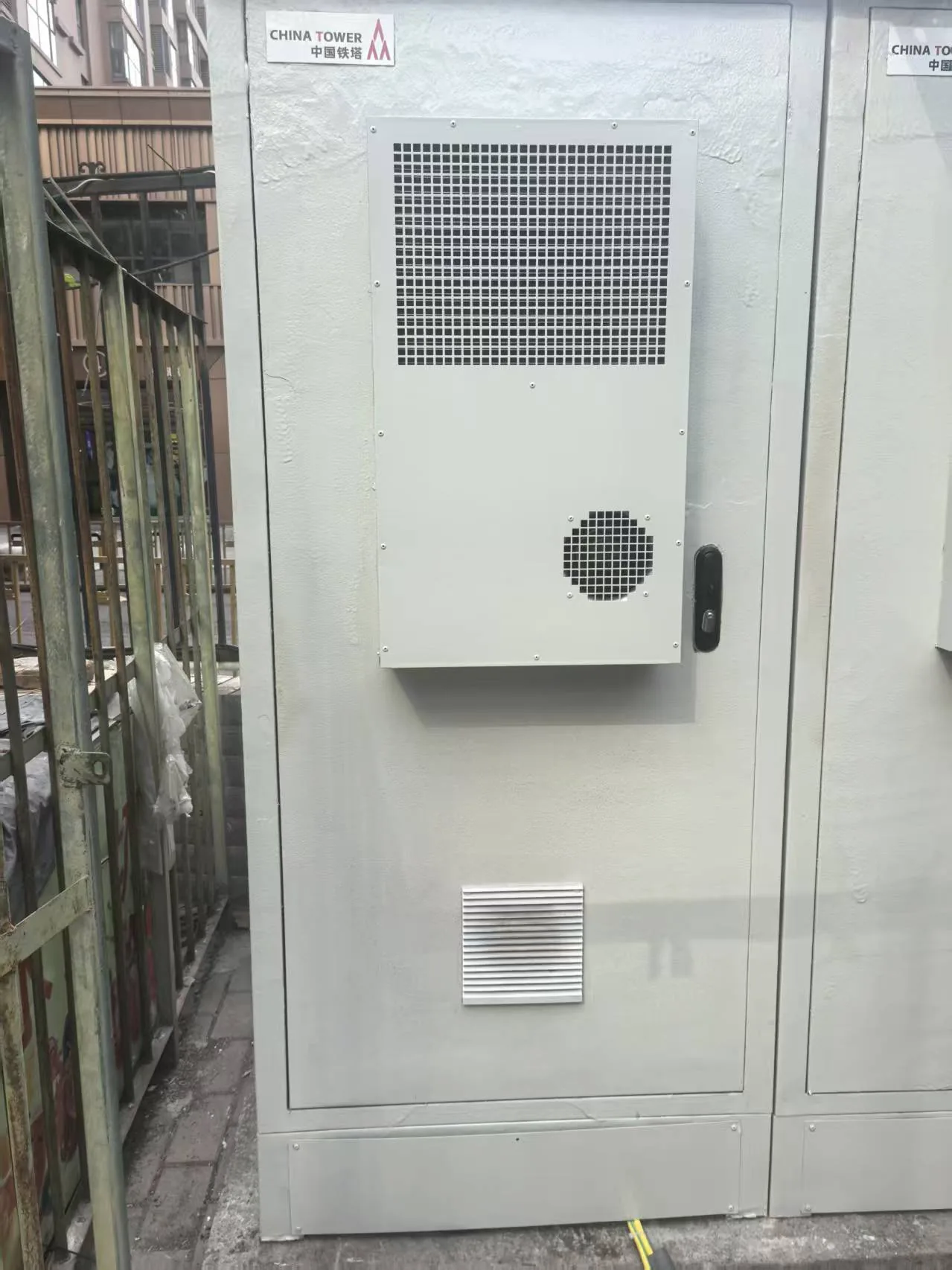
The photographic record shows a continuous external protective finish across cabinet panels and detailed interfaces while maintaining access to operating components.
Project record and engineering details
Field photographs, application records and system drawings show the work from installed condition to technical detail.
Related products
Spray Polyurea
Fast-setting, high-solids elastomeric coating for large surfaces and complex details.
Brushable Polyurea
Detail-oriented coating option for repair zones and sites where spray equipment is impractical.
Prepare a project-specific configuration
Substrate, existing coating, exposure, chemicals, operating temperature, access, target thickness and application schedule.